Ideas for brands building, growing and converting online.
Practical insights on web design, branding, SEO, content, social media and digital growth.
What makes a business website actually convert?
Structure, clarity, trust and a strong user journey.
Why more content does not always mean better results.
Consistency and relevance matter more than volume alone.
Build a brand people can recognise and remember.
Use a clear system instead of disconnected visuals.
High-level insights backed by real digital work.
Explore practical guidance on SEO, websites, branding, paid media and content—supported by real examples from AS TECH projects.

SEO Services in Lahore: What Businesses Should Expect from a Serious SEO Agency.
A serious SEO strategy connects technical performance, service pages, topical content, local visibility and measurable conversion goals.
Read Featured Article ↗Explore practical digital insights.
Search by keyword or select a category to find relevant articles.
 01
SEO Services in Lahore: What Businesses Should Expect from a Serious SEO Agency
A practical guide to technical SEO, content, local visibility, authority building and realistic timelines.
Read Full Article ↗ 02
How to Choose a Web Design Company in Lahore That Can Actually Support Growth
What to evaluate before hiring an agency for a business website, ecommerce store or redesign.
Read Full Article ↗ 03
Website Redesign Checklist: 12 Issues to Fix Before You Spend on a New Design
A practical checklist covering speed, messaging, mobile usability, SEO, forms and conversion paths.
Read Full Article ↗ 04
Ecommerce Website Development in Pakistan: A Pre-Launch Guide for Brands
Everything a brand should prepare before launching an online store.
Read Full Article ↗05Technical SEO Checklist for WordPress Websites
A structured checklist for crawlability, indexing, speed, mobile performance and structured data.
Read Full Article ↗ 06
Local SEO for Pakistani Businesses: How to Improve Visibility in Your City
How Google Business Profile, reviews, location signals and local content work together.
Read Full Article ↗07On-Page SEO for Service Pages: A High-Intent Optimization Framework
How to structure service pages for rankings, clarity and qualified enquiries.
Read Full Article ↗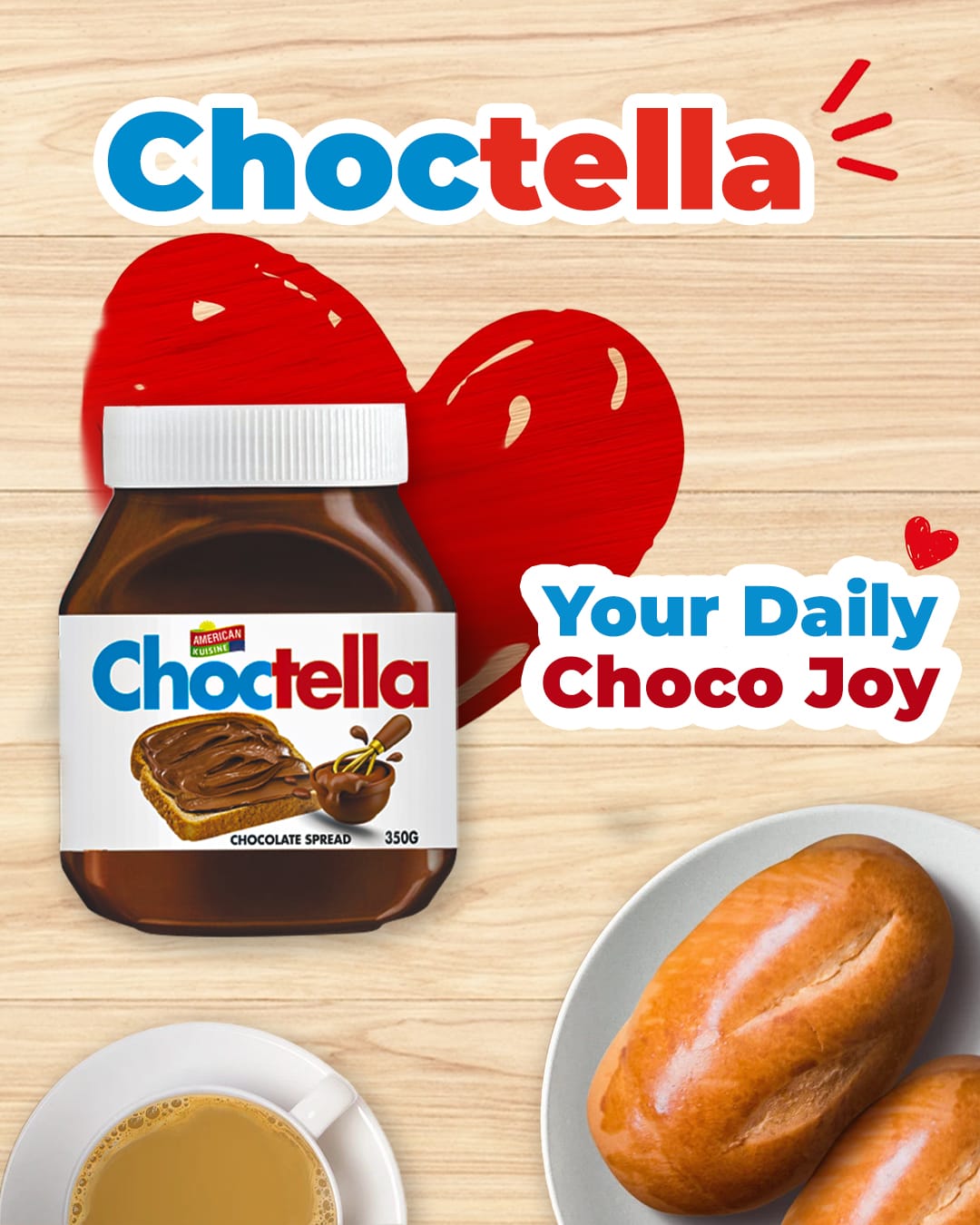 08
Why Branding Is More Than a Logo
The difference between a logo, visual identity, positioning and a complete brand system.
Read Full Article ↗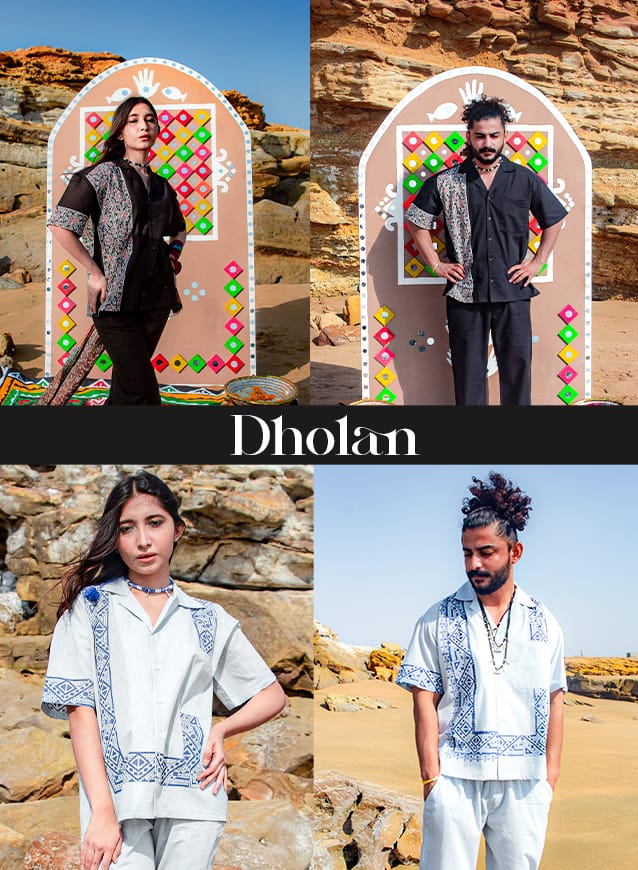 09
When Should a Business Rebrand?
How to decide whether your business needs a refresh, repositioning or complete identity change.
Read Full Article ↗ 10
Digital Marketing Agency in Lahore: What a Complete Growth Plan Should Include
A practical breakdown of strategy, content, paid media, landing pages, tracking and reporting.
Read Full Article ↗ 11
Why Meta Ads Get Clicks but No Sales
The most common problems in offers, targeting, landing pages, tracking and follow-up.
Read Full Article ↗ 12
Google Ads vs Meta Ads: Which Platform Should Your Business Use?
How search intent, demand creation, creative requirements and budget influence platform choice.
Read Full Article ↗ 13
How Short-Form Video Helps Brands Communicate Faster
A practical framework for hooks, scripting, production and platform-ready editing.
Read Full Article ↗14Wubai Website Case Study: Building a Clearer Ecommerce Experience
How product discovery, responsive layouts and clearer navigation support an online store.
Read Full Article ↗15Grand City Kharian TVC Case Study: Turning a Development Vision into a Commercial
A behind-the-project overview of creative direction, visual storytelling and post-production.
Read Full Article ↗All guides are already included on this page.
Open any guide to read it. Every article connects directly to a relevant AS TECH service.
A practical guide to technical SEO, content, local visibility, authority building and realistic timelines.
Why SEO needs a complete system
SEO is not a one-time collection of keywords. Sustainable rankings come from technical health, useful content, strong internal linking, clear service pages, local signals and credible external references working together.
Technical foundations
A serious SEO campaign begins with crawlability, indexation, mobile usability, Core Web Vitals, canonical tags, XML sitemaps, structured data and clean page architecture. If search engines cannot efficiently understand a site, publishing more content will not solve the underlying problem.
Search intent and service pages
Commercial keywords such as SEO agency in Lahore, web design services and branding agency require focused service pages. Each page should explain the problem, process, deliverables, proof, FAQs and a clear next step instead of repeating generic marketing language.
Content clusters
High-level SEO builds topical authority. A main service page should be supported by detailed guides answering related questions. For example, an SEO service page can link to keyword research, technical SEO, local SEO, content strategy and SEO audit guides.
Local SEO
Businesses targeting Lahore should optimize Google Business Profile, location signals, service-area information, reviews, local citations and locally relevant content. Location pages must be genuinely useful and should not be copied with only the city name changed.
Timelines and reporting
SEO usually needs consistent work over several months. Reporting should cover qualified organic traffic, keyword groups, landing-page performance, conversions, technical issues and completed actions—not only impressions.
What to evaluate before hiring an agency for a business website, ecommerce store or redesign.
Start with business goals
A website should support a measurable objective: enquiries, bookings, ecommerce sales, applications or brand credibility. A good agency asks about the business model before discussing colours and animations.
Review real work
Look for live websites, not only mockups. Test mobile responsiveness, loading speed, navigation, forms and calls to action. A varied portfolio shows the agency can adapt rather than reuse one template.
Clarify scope
Confirm page count, content responsibility, revisions, integrations, hosting, security, backups, analytics, SEO setup and post-launch support. Ambiguous scope is a common cause of delays.
Conversion and user experience
A strong website makes the value proposition clear, builds trust and guides visitors toward action. Visual design matters, but structure, copy, proof and usability influence results.
Technical quality
The site should use semantic headings, compressed media, responsive layouts, accessible controls, clean URLs and reliable form delivery. These details affect both customers and search visibility.
Ownership
Confirm that the business will receive administrator access, source assets where applicable and clear documentation for future management.
A practical checklist covering speed, messaging, mobile usability, SEO, forms and conversion paths.
Audit before redesigning
A redesign should solve identified problems. Review analytics, search queries, user behaviour, form submissions and high-exit pages before changing the interface.
Protect SEO value
Create a URL map, preserve useful content, plan 301 redirects and retain important metadata. Changing URLs without redirects can remove existing visibility.
Improve the first screen
Visitors should understand what the business offers, who it serves and what to do next without searching through the page.
Check mobile experience
Test navigation, text size, button spacing, forms, images, videos and checkout on real mobile devices.
Reduce page weight
Use modern image formats, compressed video, lazy loading, caching and limited third-party scripts.
Strengthen trust
Add real work, testimonials, team information, contact details, policies and clear service explanations.
Everything a brand should prepare before launching an online store.
Product information
Prepare consistent product names, descriptions, specifications, prices, variations, stock status and high-quality images.
Payments and delivery
Decide payment gateways, cash on delivery rules, shipping zones, delivery charges, return policy and order communication.
Mobile checkout
Most customers will browse on mobile. Product discovery, cart updates and checkout should remain simple on smaller screens.
Trust and policy pages
Display contact information, returns, privacy, delivery expectations and secure payment information clearly.
Tracking
Configure ecommerce analytics, advertising pixels and conversion events before campaigns begin.
Ongoing management
An ecommerce store needs inventory updates, backups, security, plugin updates, order support and continuous conversion improvements.
A structured checklist for crawlability, indexing, speed, mobile performance and structured data.
Indexation
Confirm that important pages are indexable and that staging pages, search results, duplicate archives and thin content are controlled.
Site architecture
Important service pages should be reachable within a few clicks and linked from relevant content.
Core Web Vitals
Optimize large images, videos, fonts, JavaScript execution, caching and layout stability.
Canonicalization
Use consistent preferred URLs and avoid duplicate versions created by parameters, categories or trailing-slash conflicts.
Structured data
Implement Organization, LocalBusiness, Service, Breadcrumb and Article schema where appropriate. Schema should reflect visible content.
Monitoring
Use Search Console, analytics and server monitoring to identify crawl errors, traffic changes and performance regressions.
How Google Business Profile, reviews, location signals and local content work together.
Google Business Profile
Complete the correct category, services, description, hours, phone, website and address details. Add genuine photos and keep information current.
Reviews
Ask real customers for honest reviews and respond professionally. Reviews influence trust as well as local visibility.
Consistency
Business name, address and phone details should remain consistent across the website and credible directories.
Location content
Create useful pages explaining services, coverage, process and proof for the locations genuinely served.
Local links
Partnerships, chambers, events, publications and relevant local organizations can strengthen authority.
Measurement
Track calls, form submissions, direction requests and rankings for service-plus-location queries.
How to structure service pages for rankings, clarity and qualified enquiries.
One clear topic
Each page should target one main service and closely related variations instead of competing with other pages.
Useful heading structure
Use one descriptive H1 and logical H2 sections covering benefits, process, deliverables, proof and FAQs.
Search intent
Commercial visitors need pricing context, scope, credibility and next steps. Informational content alone may not convert.
Internal links
Link service pages to relevant case studies, guides, portfolio work and contact pages.
Trust signals
Show real examples, transparent process, contact information, policies and business details.
Calls to action
Use clear, relevant actions throughout the page without interrupting reading.
The difference between a logo, visual identity, positioning and a complete brand system.
A logo is one asset
A logo identifies a brand, but it cannot define the complete customer experience.
Strategy creates direction
Positioning, audience, promise, personality and tone guide how the brand should communicate.
Identity creates consistency
Colour, typography, imagery, layout and motion principles help every touchpoint feel connected.
Application makes it practical
A useful brand system should work across websites, social media, packaging, presentations and advertising.
Guidelines protect recognition
Simple usage rules help teams and vendors maintain consistency over time.
Branding supports growth
A clear identity improves recognition, credibility and the efficiency of future marketing work.
How to decide whether your business needs a refresh, repositioning or complete identity change.
The brand no longer fits
A rebrand may be necessary when services, audience or market position have changed significantly.
Inconsistent communication
Different logos, colours and styles across platforms weaken recognition.
Poor differentiation
If the identity looks identical to competitors, clearer positioning and visual direction may be needed.
Refresh versus full rebrand
A refresh improves execution while preserving recognition. A full rebrand changes deeper strategic and visual foundations.
Protect existing equity
Retain useful brand elements and prepare a rollout plan for websites, social profiles, signage and customer communication.
Measure the result
Track recognition, engagement, conversion quality and internal consistency after launch.
A practical breakdown of strategy, content, paid media, landing pages, tracking and reporting.
Strategy before channels
The plan should define audience, offer, objectives, customer journey and measurement before selecting platforms.
Content system
Brands need repeatable content pillars, formats, responsibilities and approval processes.
Paid acquisition
Meta and Google Ads should connect to relevant landing pages and accurate conversion tracking.
Owned assets
Websites, email lists and customer data reduce dependence on social platforms.
Creative testing
Performance improves through structured testing of hooks, offers, formats and audiences.
Reporting
A useful report connects spend and activity to leads, sales, cost per result and next actions.
The most common problems in offers, targeting, landing pages, tracking and follow-up.
Weak offer
The product may be relevant, but the value, price, urgency or differentiation may not be strong enough.
Mismatch
The advertisement, audience and landing page must communicate the same promise.
Low trust
Missing reviews, policies, contact details, delivery information or proof can prevent purchase.
Poor landing experience
Slow pages, confusing navigation and long forms reduce conversion.
Tracking gaps
Incorrect pixel and event setup can mislead optimization and reporting.
No follow-up
Leads often need timely WhatsApp, phone, email or remarketing follow-up.
How search intent, demand creation, creative requirements and budget influence platform choice.
Google captures demand
Search campaigns reach people actively looking for a solution.
Meta creates and shapes demand
Meta platforms are strong for visual discovery, audience building and repeated exposure.
Different creative needs
Search relies on keywords, ads and landing pages; Meta relies heavily on visual concepts, hooks and formats.
Use the customer journey
Some businesses should introduce the offer on Meta and capture later searches through Google.
Tracking matters
Both platforms require accurate conversion measurement and clear attribution expectations.
Test based on economics
Platform choice should consider margins, sales cycle, average order value and lead quality.
A practical framework for hooks, scripting, production and platform-ready editing.
One focused message
Short videos perform better when each piece communicates one clear idea.
Strong opening
The first seconds should establish relevance through a question, problem, visual or outcome.
Platform-native structure
Vertical framing, readable captions and mobile-safe composition improve usability.
Brand consistency
Colours, typography, tone and editing style should feel connected to the wider identity.
Production planning
A simple shot list and script reduce wasted time and improve editing options.
Measure quality
Evaluate watch time, completion, saves, enquiries and assisted conversions—not only views.
How product discovery, responsive layouts and clearer navigation support an online store.
The objective
The project required a modern ecommerce experience that could present products clearly across desktop and mobile.
Information structure
Categories, product information and navigation were organized to reduce friction during browsing.
Responsive design
Layouts were designed to remain readable and usable across different screen sizes.
Visual hierarchy
Spacing, typography and calls to action were used to guide attention toward products and purchasing steps.
Practical outcome
The resulting website provides a stronger digital foundation for product presentation, campaign traffic and future growth.
A behind-the-project overview of creative direction, visual storytelling and post-production.
The communication goal
The commercial needed to present the development through aspiration, location and long-term value.
Creative direction
The visual approach balanced project information with an engaging lifestyle-led narrative.
Production
Shot planning, framing and pacing were aligned with the commercial format and intended audience.
Post-production
Editing, music, colour and visual rhythm brought the narrative into a concise campaign-ready piece.
Brand value
The final TVC gives the development a clear, memorable and professionally produced visual presentation.
What businesses are asking about now.
Website Conversion
How layout, content and trust signals influence enquiries.
Social Media Growth
What consistent and useful content should achieve.
Paid Advertising
How to prepare before spending money on Meta or Google Ads.
Brand Positioning
How to communicate a clear and memorable business identity.
Turn the right ideas into a stronger digital presence.
Share your goals with AS TECH and receive a clear service recommendation.